For many, hoarding isn't simply about accumulating stuff; it's a psychological condition that can significantly impact the quality of life. This blog post takes you on a compassionate and informative exploration of the five stages of hoarding. We'll uncover what differentiates a mild clutter problem from a major crisis, providing insights, practical tips, and real-life examples. By the end of this read, you'll have a clearer perspective on hoarding and actionable strategies to assist yourself or others!
Hoarding affects around 2-6% of the population and can cause significant distress and impairment. Hoarders often form emotional attachments to their possessions, viewing them as extensions of themselves. This makes the thought of parting with items overwhelmingly painful. It's not uncommon for hoarders to feel embarrassment or guilt about their living conditions, further complicating the problem.
The first stage of hoarding begins innocuously with mild clutter accumulation. Most people have clutter to some degree, but in this stage, it's more about the gradual build-up of possessions. People may start to collect items with the best intentions, such as magazines, clothes, or kitchen gadgets they plan to use "someday."
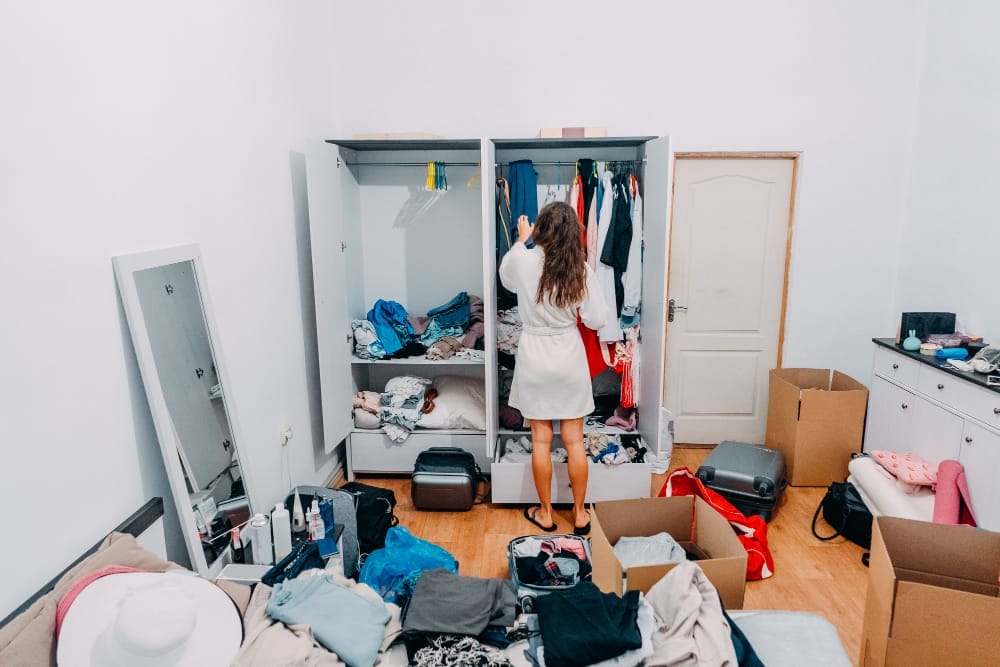
While this phase might seem harmless, it can be the starting point of a more severe problem. The challenge lies in recognizing when clutter shifts from being a simple organizational issue to an early sign of hoarding tendencies. Regular decluttering routines can often help manage this stage effectively.
However, if you notice a reluctance to part with items or a growing attachment to seemingly insignificant possessions, it might be time to seek guidance. Home organizers can play a pivotal role in helping individuals establish systems to manage their belongings, preventing further escalation.
During the second stage, the difficulty in discarding items becomes more pronounced. Individuals may start to feel anxiety or distress at the mere thought of throwing things away. The clutter begins to multiply, gradually overtaking living spaces and impacting daily life.
This stage can be challenging for family members who may not understand the emotional connection hoarders have with their possessions. It's essential to approach the situation with empathy and patience. Open conversations about the emotional significance of items can lead to more supportive interventions.
Moreover, therapists or specialized organizers, might be required to address the underlying issues. Cognitive-behavioral strategies can be particularly effective in helping individuals confront the fears associated with discarding possessions.
Stage three marks a noticeable change, as clutter begins to dominate living spaces. Rooms that were onc
e functional become unusable, often filled with stacks of items that obstruct pathways and create safety hazards. Daily activities such as cooking, cleaning, or even sleeping might become challenging.
When helping someone at this stage of hoarding, this one presents a significant opportunity to implement organizational strategies that empower individuals to regain control of their environment. It's not just about removing items; it's about creating a system that prevents the regrowth of clutter.
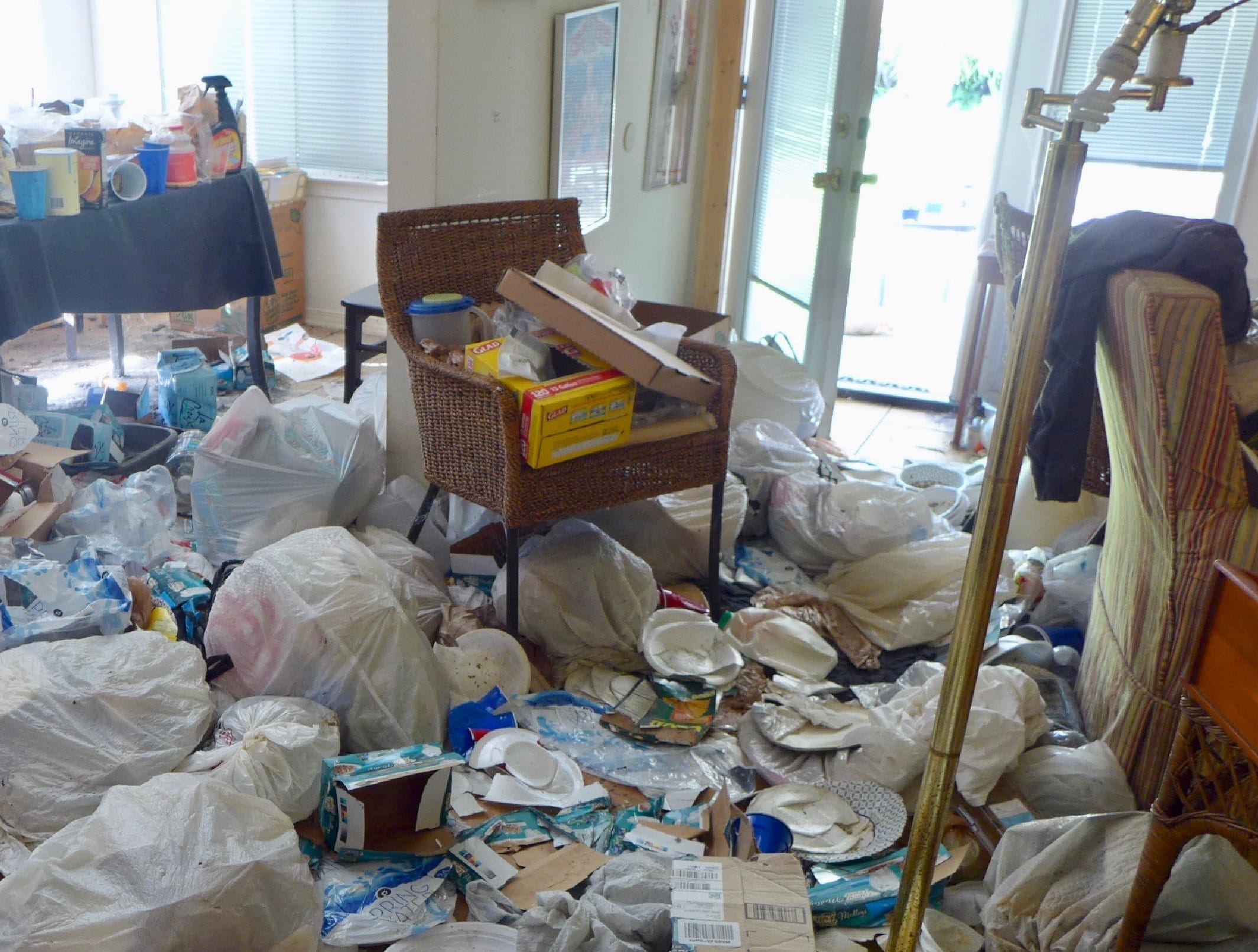
Family support is crucial during this stage. Encouraging open dialogue and participating in the decluttering process can alleviate some of the anxiety experienced by the hoarder. Remember, patience and understanding are key, as progress may be slow but meaningful.
The fourth stage sees an increase in distress and social isolation. The embarrassment about living conditions usually causes hoarders to withdraw from friends and family, further exacerbating the problem. Social interactions decrease, and the clutter becomes a source of shame.
It's imperative for loved ones to maintain lines of communication and offer non-judgmental support. Encouraging participation in social activities or seeking professional help can be vital steps toward breaking the cycle of isolation.
Community resources, including support groups, can also provide valuable assistance. Connecting with others who understand the struggles of hoarding can instill a sense of belonging and offer practical advice from shared experiences.
Reaching stage five represents a significant crisis point where the clutter severely impacts quality of life. Health and safety risks emerge, such as fire hazards or rodent infestations, and emotional well-being suffers dramatically. Relationships may become strained, and professional intervention is often necessary.
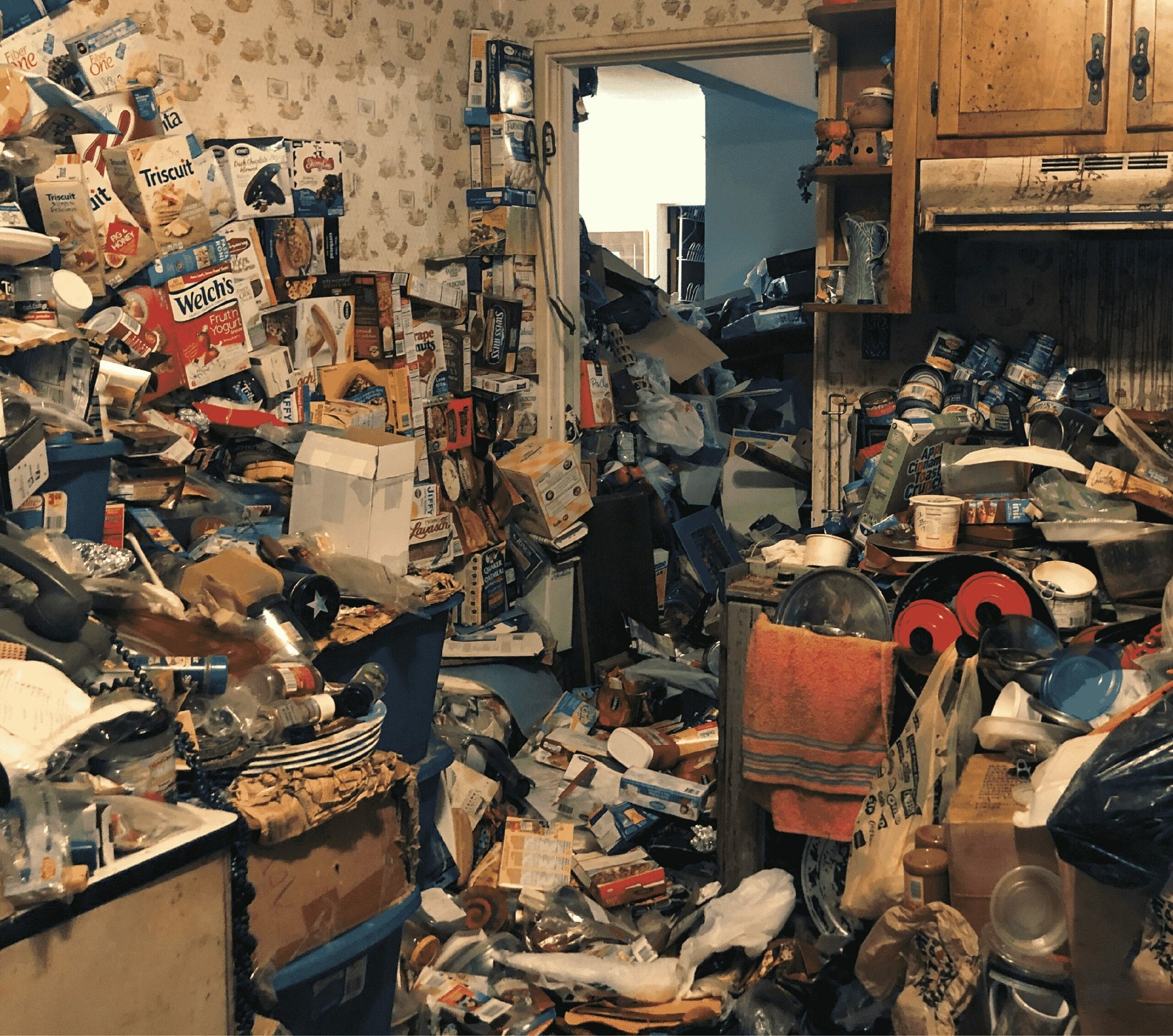
Addressing this stage requires a multi-faceted approach. Mental health professionals, organizers or hoarding cleanup companies, and sometimes even legal or housing authorities may need to collaborate to create a comprehensive plan. The focus should remain on the individual's well-being, ensuring they have access to the resources and support needed.
Recovery from this stage is possible with consistent effort, compassionate care, a strong support network, and of course, help from qualified mental health professionals.
If you or a loved one is struggling with hoarding, know that help is available. Bio-One offers professional and compassionate hoarding cleanup services to assist individuals in decluttering and organizing their homes. Our trained technicians understand the sensitive nature of hoarding and work with them to create a customized plan that prioritizes their well-being. We also offer support for emotional and mental health through our connections with local therapists and support groups.
Don't let hoarding take over your life. Reach out to Bio-One for assistance today!
Owning a home comes with a world of joys and responsibilities. While decorating and landscaping might be the fun parts, dealing with sewage problems? Not so much. Yet, understanding the common issues that can arise in your sewage system is crucial for every homeowner. From simple clogs to more complex septic tank troubles, these problems can disrupt your daily life. This guide will help you identify common sewage issues and provide DIY solutions for some of them!
Sewage systems are intricate networks that work silently behind the scenes. The first step in tackling any problem is identifying what's wrong. Common issues include slow drains, unpleasant odors, and soggy lawns. Recognizing these signs early can save you from bigger headaches down the road.
A slow drain is often the first clue that something's amiss. It might be a simple clog in the pipe, but it could also indicate a more severe blockage in the system. Unpleasant odors, particularly near sinks or drains, can signal a buildup of waste materials. Meanwhile, unexpected wet patches in your yard might suggest a leaking or overflowing septic tank. By staying vigilant, you can catch these issues before they escalate.
Slow drains are a universal nuisance. They often result from hair, grease, or soap buildup in the pipes. Fortunately, many slow drains can be fixed with simple DIY solutions. The trusty plunger is your first line of defense. A few pumps might be all it takes to dislodge the blockage.
If plunging doesn't work, consider a homemade solution using baking soda and vinegar. Pour half a cup of baking soda followed by half a cup of vinegar down the drain. Wait for about 15 minutes, then flush it with hot water. This natural remedy can help break down grime and restore normal flow. However, if the problem persists, it might be time to seek professional help.
Unpleasant odors can make any home uncomfortable. If you notice foul smells coming from your drains, it's time to act. These odors are typically caused by waste buildup or stagnant water in pipes. Start by cleaning your drains regularly using a mixture of hot water and lemon juice. This not only removes odors but also prevents bacteria growth.
Another effective technique is to use a drain snake. This tool can reach deep into pipes to remove any trapped debris. Regular maintenance, like running hot water through your drains weekly, can also prevent future odor issues. Remember, persistent smells might indicate a more significant underlying problem, warranting a professional inspection.
Sewage backups are among the most dreaded household problems. They occur when wastewater flows back into your home, often due to blockages or damaged pipes. If you experience a backup, the first step is to stop using water immediately. This prevents additional wastewater from entering the system.
Using a plunger on affected drains could help alleviate minor backups. However, for extensive backups, it's essential to call in professionals like Bio-One of Rochester. We have the equipment and expertise to address the root cause effectively and safely.
Homes with septic systems occasionally face unique challenges. Issues like overflowing tanks or unpleasant smells can indicate problems. Regular pumping is vital to keep septic systems functioning well. However, if you notice soggy patches in your yard, it might mean your tank is either full or leaking.
While many sewage issues have DIY solutions, some problems require professional intervention. Recurring clogs, persistent odors, and major backups shouldn't be ignored. Professionals have specialized tools and knowledge to diagnose and fix complex problems, ensuring the issue is resolved correctly.
Bio-One of Rochester offers reliable sewage solutions for homeowners. With our expertise, we can handle everything from simple remediation to full-scale repairs. When DIY efforts fall short, reaching out for professional assistance can save you time, stress, and money in the long run!
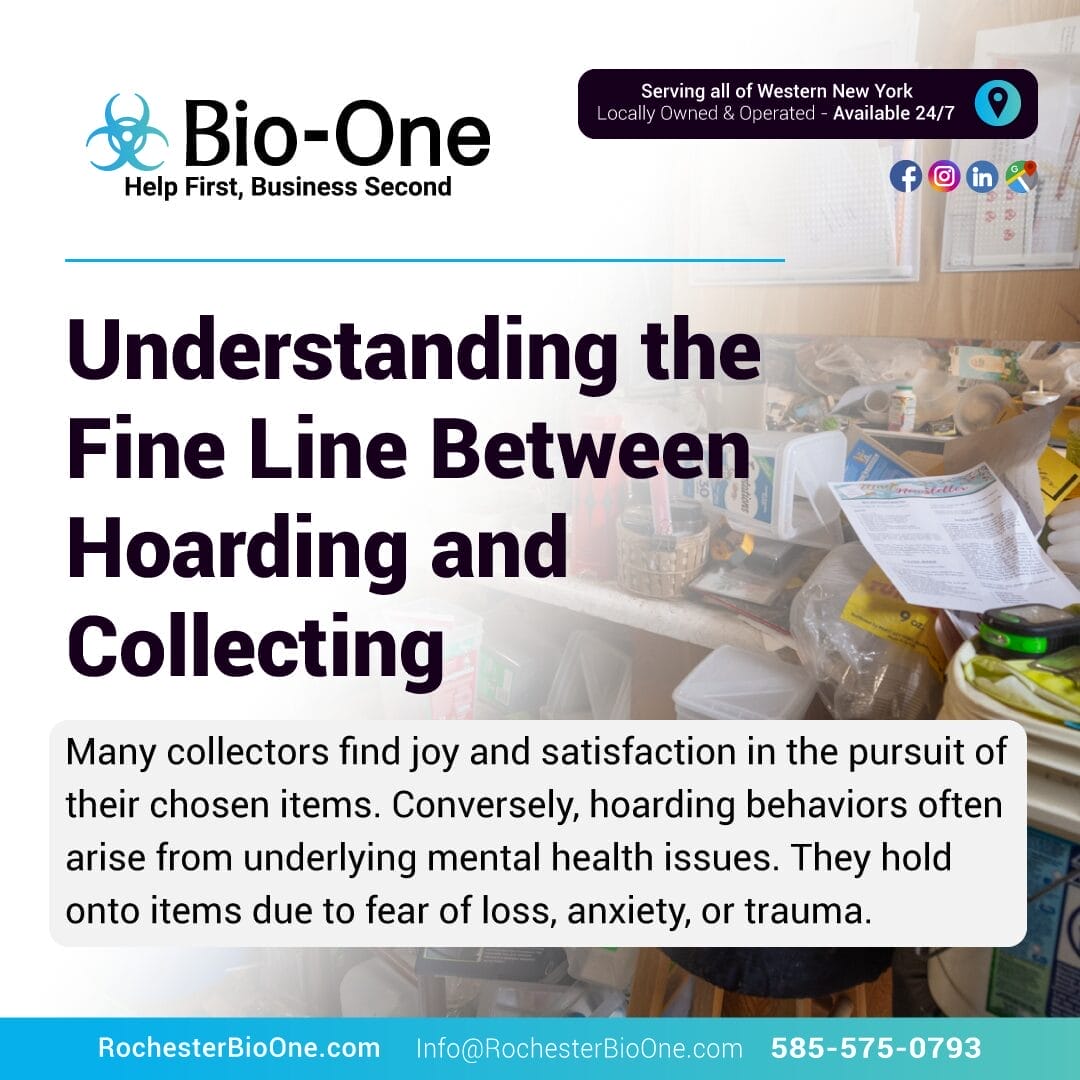
Have you ever wondered where collecting ends and hoarding begins? This line can often seem blurred, especially to those passionate about their treasures. In this blog post, we will unravel the differences between hoarding and collecting, explore the psychology behind these behaviors, and provide strategies for managing both.
Disclaimer
Please note that the information provided in this blog post is intended solely for educational purposes and to create awareness around hoarding. As a hoarding cleanup company, we bring expertise in managing clutter and restoring spaces, but we are not mental health professionals. We encourage readers facing challenges related to hoarding to seek assistance from qualified mental health professionals.
Hoarding refers to the excessive accumulation of items, often accompanied by an inability to discard them, regardless of their actual value. Collecting, on the other hand, involves intentionally gathering items with personal or financial significance. While both activities involve acquiring objects, they stem from different motivations and can lead to different outcomes.
Collecting is driven by a variety of emotional and psychological motivations. Many collectors find joy and satisfaction in the pursuit of their chosen items. This process often represents a connection to history, culture, or personal identity. For instance, a stamp collector might revel in the historical significance and artistry of each piece. Collecting can be a form of self-expression, allowing individuals to showcase their interests and achievements.

Conversely, hoarding behaviors often arise from underlying mental health issues. People who hoard may feel compelled to hold onto items due to fear of loss, anxiety, or trauma. Unlike collectors, hoarders may struggle with decision-making and organization. Their possessions can become a source of stress and embarrassment rather than pride. Understanding these psychological differences is crucial for recognizing and addressing hoarding tendencies.
Identifying the signs and symptoms of hoarding is essential for those who may be struggling or for families seeking to support a loved one:
Hoarding impacts not only the individual but also their family and immediate environment. It can create tension and conflict within households, as family members might feel burdened by the chaos.
Collections can provide a sense of identity to those who cherish them. Whether it's a set of vintage toys, rare coins, or classic cars, collections often hold sentimental or historical value. They can serve as a bridge to the past, connecting collectors to memories, cultures, and narratives.
However, the line between a valuable collection and hoarding can be thin. Collectors should regularly assess the purpose and impact of their collections. Does the collection enhance their life, or has it become overwhelming? Maintaining this balance is key to ensuring that collections remain a source of joy rather than a burden.

For individuals grappling with hoarding tendencies, there are many strategies to help regain control. Setting limits on acquisitions, organizing belongings, and prioritizing meaningful items are effective starting points. It's important to remember that change takes time, and gradual progress is better than none.
Nonetheless, seeking professional help is often the most effective way to address hoarding behaviors. Therapists specializing in cognitive-behavioral therapy can assist individuals in understanding the root causes of their hoarding and developing healthier habits. This might represent a significant improvement in mental well-being and overall quality of life.
If you or someone you know is struggling with hoarding behaviors, take the first step towards positive change. Share your story, seek support, and remember that you're not alone. Bio-One can help. We are a hoarding cleanup company, but our approach is much more compassionate and supportive than traditional cleaning services. Our team has the expertise and understanding to navigate hoarding situations with care, respect, and discretion.
Whether it's a small collection or an extreme hoarding situation, our goal is always to restore safety and dignity to your home. With Bio-One, you can trust that your possessions will be handled with sensitivity, while also ensuring a safe living environment!

A biohazard is any material that could potentially cause harm to humans or the environment. This includes things like blood and bodily fluids and bloodborne pathogens.
Potential biohazards can come from various sources, including hospitals, research labs, chemical spills, and animal remains. They can also come from trauma scenes, violent crimes, accidents, and natural disasters. It is crucial to take action quickly if you are faced with biohazard situations, as the risks associated with biohazards can be dangerous.
When incidents such as homicide occur, blood and body fluids may be left behind. Blood and body fluids may cause damage to a property or business, resulting in contaminated materials that professionals must remediate to avoid disease outbreaks.

When a home or company has been afflicted by violence, it automatically becomes a crime scene, as it's typically contaminated with blood spills and other dangerous pathogens. There should be a rapid attempt to clean it. Following the conclusion of the police investigation, crime scene cleanup and remediation services should be provided by professionals.
Biohazard remediation is critical in any hospital, research lab, or other health-related facilities. The improper treatment of biohazard materials can severely threaten both staff and patients.
Special care must be taken to avoid contact with biohazard situations, as they can pose a serious health risk. The material is then bagged and labeled according to OSHA regulations. The biohazard must be disposed of following State and Federal health regulations. Otherwise, health facilities may face potential lawsuits due to the proper handling of biohazard materials.
Biohazard cleanup should be a job for professionals who are trained in the proper procedures and safety precautions. Biohazard cleanup can be a dangerous and challenging process, and it is essential to ensure that the area is adequately restored to a safe, clean environment.
Chemical biohazards can be created from a number of different materials, including solvents, acids, tear gas, and bases. Airborne pathogens can cause a variety of injuries, including burns, skin irritation, and respiratory problems.

In addition, biohazards can also be created from the disposal of medical waste. This includes items such as syringes, bandages, and other potentially infectious materials that may pose a biological hazard. This medical waste can pose serious safety risks if not properly disposed of.
Biohazard prevention includes wearing the appropriate Personal Protective Equipment (PPE), such as gloves and masks, to avoid contact with biohazards. It is also important to properly clean and disinfect any areas that may have been contaminated.
Biohazard cleanup can be dangerous and should only be performed by professionals who have been trained in hazardous materials removal. If you are unsure of how to clean up a biohazard spill safely, contact a professional biohazard cleaner specialist for assistance.
When faced with a biohazardous situation, Bio-One of Rochester is the company to call for help. Our technicians are ready to help in life’s most difficult and unexpected situations with care, compassion, and discretion. Locally owned, we are proud to serve all of West New York, though our services expand Nationwide thanks to our +120 locations. If you’re struggling and need help, give us a call and let us take care of everything for you.
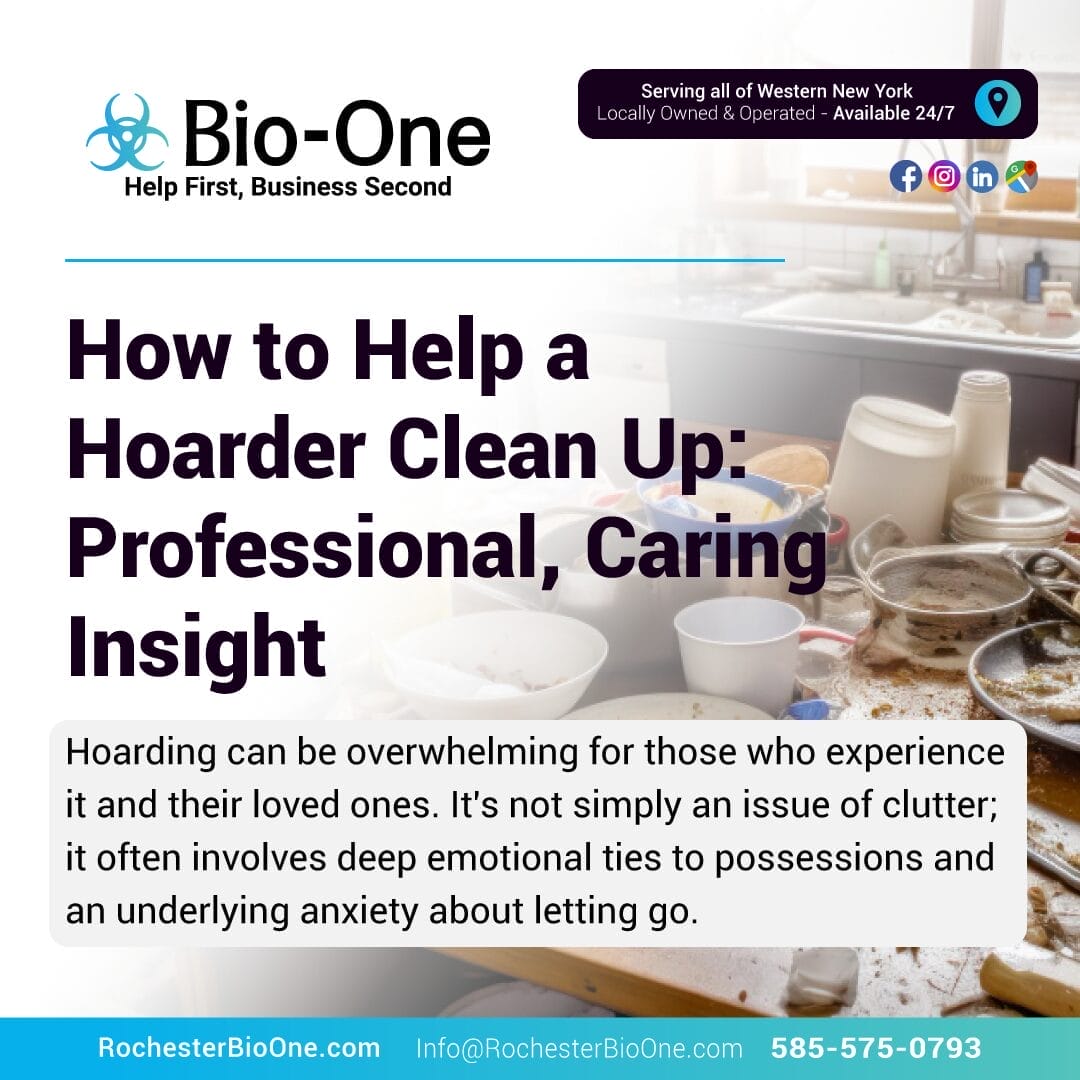
Hoarding can be overwhelming for those who experience it and their loved ones. It's not simply an issue of clutter; it often involves deep emotional ties to possessions and an underlying anxiety about letting go. Whether you are a family member, friend, or professional organizer, understanding how to approach this delicate situation with compassion and effectiveness is crucial. Here, you'll find expert advice on helping a hoarder clean up, highlighting practical strategies and empathetic support.
Before you can help effectively, it's important to understand hoarding as a mental health condition. Hoarding is characterized by persistent difficulty discarding possessions, causing cluttered living spaces and significant distress or impairment.
When assisting someone with hoarding tendencies, sensitivity is key. Harsh judgment or pressure to discard items can exacerbate anxiety and resistance.

Creating a structured plan can empower a hoarder to regain control over their environment. Collaborate with them to set realistic and achievable goals.
For a complete guide on how to help a hoarder clean up, visit our Hoarding Guide.
Professional organizers and therapists specializing in hoarding can provide valuable expertise and emotional support. They can offer tailored strategies and coping mechanisms to ease the decluttering process.
Encourage ongoing communication and provide reassurance throughout the cleanup process. Hoarders often fear losing their emotional connections to items, so it's vital to be patient and supportive.
Once initial progress is made, help the individual establish routines that prevent future hoarding behavior. This might include regular cleaning schedules and continued support.
By implementing these compassionate and practical strategies, you can play a crucial role in helping someone with hoarding their home and improve their quality of life.
If you don't know how to help a hoarder clean up, Bio-One of Rochester is the company to call for help. Our technicians are ready to help in life’s most difficult and unexpected situations with care, compassion, and discretion. Locally owned, we are proud to serve all of West New York, though our services expand Nationwide thanks to our +120 locations. If you’re struggling and need help, give us a call, and let us take care of everything for you.

We are delighted to announce our sponsorship of the First Responder Relay in Las Vegas on October 16th. The First Responders Relay is a 9 person 48-mile running relay with stages ranging from 4.0 miles to 7.7 miles. The relay is competition comprised of first responder personnel from throughout the United States and the World, and is hosted by the California Police Athletic Federation (CPAF).
There is still time to register, but don't delay! Registration closes September 18. Visit www.CPAF.org to join us in Las Vegas!

The California Police Athletic Federation (CPAF) is proud to announce that the 2021 United States Police & Fire Championships (USPFC) are now Presented by Bio-One, Inc.
Operating under the motto, "Help First, Business Second," Bio-One provides high-level decontamination and biohazard cleanup services while offering clients the privacy and compassion needed at difficult times. Bio-One operates in 41 states with over 110 locations and is committed to providing first-class service.
"We are thrilled to add Bio-One as the Presenting Sponsor for the 2021 USPFC because First Responders warrant our support," said California Police Athletic Federation President LC Collins. "Bio-One’s reputation is second to none, and with their partnership, we can offer first responders a health and wellness outlet. We look forward to working with them for years to come."
Founded by San Diego Police Lieutenant Veon "Duke" Nyhus, The United States Police & Fire Championships were first held in San Diego in 1967. Duke recognized the need to promote physical fitness and camaraderie among the Public Safety and First Responder community members.
The USPFC caters to active and retired public safety and first responders who participate in Olympic-style competitions and open to individuals representing firefighters, law enforcement, and officers from corrections, probation, border protection, immigration, and customs across the country. Traditionally athletes compete in 45+ sporting events from biathlon to motocross across 35+ venues in Southern California.
"At Bio-One our support for Law Enforcement and Fire Service Officers is unwavering, and we're thrilled to partner with the California Police Athletic Federation during this memorable event," said Nick-Anthony Zamucen, founder of Bio-One. "We wish each athlete success and look forward to celebrating these everyday heroes."
The 2021 USPFC Presented by Bio-One will take place from June 10th to the 19th in venues across San Diego, California, and strengthen the relationship between First Responders and the community for many years to come!
About the United States Police and Fire Championships
The California Police Athletic Federation (CPAF) is the parent organization of two multi-sport programs designed for peace officers and firefighters. The World Police & Fire Games (WPFG) are open to active and retired law enforcement and fire service personnel throughout the world. The United States Police & Fire Championships (USPFC) are open to active or retired public safety and first responder personnel from an eligible agency within the USA. For more information, please visit www.uspfc.org.
Losing a loved one in an accident is incomprehensibly painful. The seeming unfairness and randomness of the moment is almost impossible to accept at first as grieving friends and family members try to rationalize what happened. They often feel guilty for not doing enough to prevent the death despite the fact that the incident was entirely out of their control. But nobody can prepare for the sudden and unexpected. Accidental deaths are by definition unnatural and unintentional. They include slips and falls, traffic accidents, poisonings, accidental weapon wounds, drownings, fire injuries, head traumas, industrial accidents, choking deaths, explosions, and natural disasters. Fatal accidents have always been a leading cause of death in America. But unfortunately, they are becoming more common.
According to the non-profit National Safety Council, accidental deaths increased 96 percent over the last 25 years. Though they decreased significantly between 1950 and 1980, fatal accidents have been growing rapidly since the mid-1990s.Despite our innovation in creating safer technologies, today’s rate of 52.2 deaths per 100,000 people hasn’t been seen since the mid-1970s. Now, accidents are the number one leading cause of death for people aged 1 to 44, according to the most recent data from the Centers for Disease Control and Prevention. For all demographics, they are the third leading cause of death nationwide, with 169,936 deaths reported by the CDC in 2017.
While researchers have not reached a consensus on why accidental deaths are increasing, the NSC points to three trends to explain the rise, including increases in poisonings, motor vehicle deaths and falls among older adults. All of these injuries are preventable, they say, arguing on their website that institutions “have not consistently prioritized safety at work, at home and on the road”. Poisonings, the leading unintentional injury among CDC data, increased 11 percent between 2016 and 2017 . The NSC attributes the growth to the opioid crisis, which claimed the lives of 47,000 Americans in 2017 .
To put the CDC data into perspective, 466 people die from accidental injuries every day The number of friends and family members affected by the death of a loved one is even higher, resulting in an ever-growing community of people who must find ways to manage their grief. Bio-One works with these families every day to facilitate their steps towards recovery.
When fatal accidents happen, we dedicate our resources to helping families restore their home or business in a safe, private and efficient manner. Because first responders do not decontaminate crime scenes after they respond to a call, we step in to ensure that families are not exposed to disease and other dangers. Crime scenes harbor harmful bloodborne pathogens that contaminate the immediate area, leaving everyone on the property vulnerable to Hepatitis B, Hepatitis C and the Human Immunodeficiency Virus (HIV). Our licensed technicians use powerful, environmentally safe chemicals to thoroughly disinfect the area so you can rest assured that your family will be safe. We work with an appreciation for your valuables and will replace furnishings if need be. In hoarding situations, we remove clutter that may present a danger to other inhabitants, including feces and other biological waste.
When you give us a call at your local Bio-One office, we’ll immediately connect you with a representative that will address your unique situation. Because we value your time during this difficult moment, a team will be dispatched to your home or business within an hour to complete the service. When they arrive, they’ll come in unmarked vehicles to safeguard your privacy. Our team approaches their work with the sensitivity it demands and endeavors to address your needs with the compassion it deserves. Don’t hesitate to contact us if you have any questions. We are on standby 24/7/365.
We often forget about the people left behind in the wake of a homicide. News stories reveal who died but often fail to identify how their death impacts their loved ones. When someone is murdered, their family, friends and significant others endure one of the most traumatic experiences that anyone can face. These survivors are some of the least researched crime victims in America, and they are everywhere. According to the most recent FBI data, 16,214 Americans were murdered in 2018. For every one of those individuals an average of 7 to 10 relatives were severely impacted, according to an estimate by Lu Redmond, a homicide grief expert.
If the murder rate remains consistent, Redmond’s estimate means between 113,000 and 162,000 Americans will become homicide survivors each year. That’s in addition to the pool of survivors who already lost loved ones in previous years. Though the lack of research makes it impossible to quantify how many total homicide survivors there are in America, the number is high enough to warrant concern for how they are treated by health professionals.
For survivors, the grieving process is almost impossible to endure. Though loved ones will grieve in different ways depending on their relationship with the victim, the loss is shocking, unimaginable and absolute. They never had a chance to say goodbye to their loved one, and the plans they both shared will never come to fruition. This realization may be sudden. In some cases, it may take years. Some survivors find it difficult to accept a loved one’s death at first, resulting in a delayed reaction that is triggered by a situation that reminds them of the victim. According to the National Center of Victims of Crime, grief symptoms include shock, disbelief, numbness, changes in appetite and sleeping patterns, difficulty concentrating, anger, confusion, increased anxiety and fear. Financial loss, depression and family conflict are also common symptoms.
Discovering a murdered loved one in the home can trigger post traumatic stress disorder. After the first responders leave the scene, some survivors may feel compelled to clean up the aftermath themselves. Confused that the paramedics don’t complete this work, they may think the cleanup process is their responsibility and act immediately. After all, they want to restore the scene as quickly as possible. Operating in a state of shock, they’ll remove the blood stains, body tissue and contaminated materials from the home without recognizing the threat to their physical and mental health. In addition to exposing their body to dangerous bloodborne pathogens, survivors may experience traumatic flashbacks of the experience in the future and suffer from heightened anxiety and emotional numbness. These PTSD symptoms prolong the recovery process, making it even more difficult for survivors to cope with their new lives.
Bio-One works with communities across the nation to avoid this outcome. We employ certified technicians that respond to scenes of violent crime and clean up dangerous biohazards that pose a threat to you and your family. When we receive a request for our services, we’ll send a team to the job site within an hour to assess your situation and perform a comprehensive cleaning solution that restores the property. Our powerful, environmentally friendly chemicals eradicate harmful pathogens that spread Hepatitis B, Hepatitis C and HIV, giving you assurance that you will be safe long after the area is decontaminated. We’ll dispose of the infected materials that cannot be salvaged and replace flooring and other furnishings if we need to. Once the area is thoroughly cleaned, we’ll return it to its pre-incident state so you can focus on recovering.
We conduct this work because we want to help people who have been left to deal with a difficult, painful task. That’s why our company motto is “Help first, business second.” We don’t ask for payment until after the job is complete because we want to remove the safety threat from your home as quickly as you do. Every person on our team will arrive on-site with an understanding of the trauma you are going through and a respect for your privacy and personal needs. Contact your local Bio-One office today and we’ll immediately connect you with a representative that can assist you. We are available 24/7/365.
Although eight years have passed since the world’s top mental health experts classified hoarding as a unique compulsive disorder, the problem persists throughout the country. Researchers say that up to 20 million Americans suffer from this illness, which is described as an obsessive tendency to accumulate troves of objects with no practical value.Because hoarding is historically stigmatized and underdiagnosed, this number is likely a conservative estimate. Even more troubling, hoarding is expected to increase as the population ages and mortality rates rise. But the studies that dole out these numbers understandably focus on hoarders over other stakeholders in the community. Hoarders’ actions impact far more people than reflected in the data. Fires and collapsing structures caused by unstable hoarding situations jeopardize the safety of neighbors and government workers. Even animals suffer. According to the American Society for the Prevention of Cruelty to Animals, a quarter of a million animals are hoarded each year. But the people afflicted by the disorder’s worst consequences often live in the same household as the hoarder.
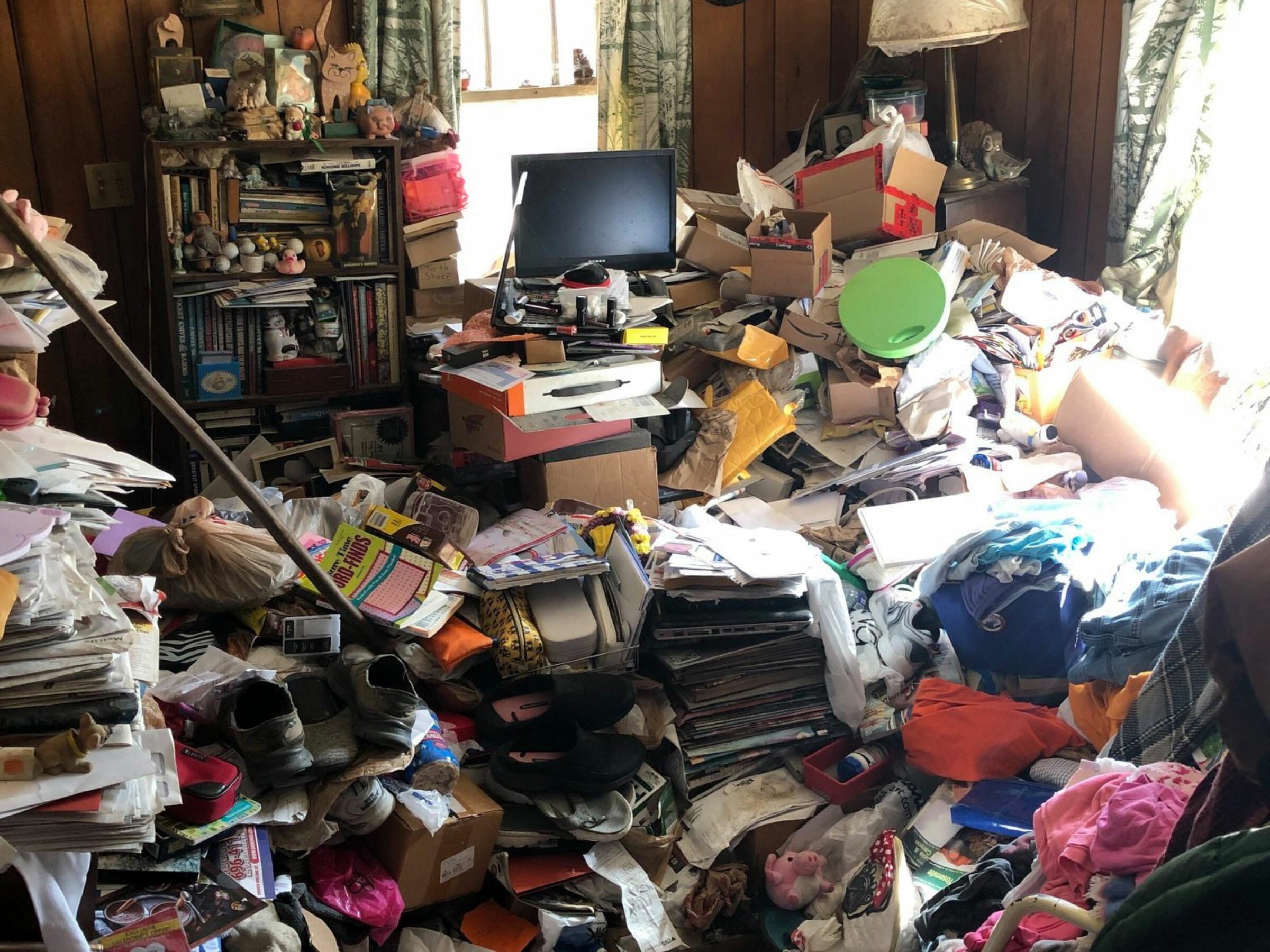
Families deteriorate as high levels of dysfunction, increased conflict and financial uncertainty hinder intimacy and devastate the emotional wellbeing of everyone in the home. Objects overwhelm the space and are guarded zealously by hoarders who are pathologically unable to discard anything they deem valuable. Hoarded items commonly include old newspapers, rotting food, cardboard boxes, pets, excessive piles of clothes and furniture that dominates the home. Space becomes constricted and practically unlivable, prompting hoarders to carve narrow passageways out of the clutter to navigate between rooms.
But despite the extreme measures’ hoarders take to endure these living conditions, the situation cannot be controlled. There is no space for shared activities among the family and no room to use necessary facilities like ovens, showers and beds. In fact, the concept of “space” alters entirely. Children may have to sleep on couches in the living room or in bed with parents to circumvent the clutter. Activities like eating, reading and sleeping are subject to the limitations of space and the normalcy of disorder.
The effect of living like this leads to feelings of isolation, depression and vulnerability. Confounded by the fact that the hoarding family member is usually controlling, stubborn and sensitive to criticism, other people in the home often feel undervalued and powerless. Any attempts to remove the clutter are met with fierce opposition and outrage by the hoarder, who suffers from severe distress when confronted with the notion of losing their valuables. Aware of these consequences, the family usually lives in isolation, refusing to invite friends and relatives over to the home out of embarrassment. These claustrophobic conditions extend to the mind, which is overwhelmed by feelings of frustration, helplessness and anxiety. Financial strains ensue as the hoarder spends money on items that have no discernable value to other family members. As the acquisition of objects greatly outweighs the removal of other objects, credit limits are reached and space disappears, leading to home maintenance fees, financial debt and increasingly frequent family altercations.
Onlooking children often find themselves torn between parents in these situations. Child protective services may be invoked at some point, breaking up the family and degrading the bond between child and parent even further. This possibility weighs heavily on the minds of older children, who often feel compelled to silence for fear that they will be relocated by the authorities. Child protective services are often justified in removing them from the home. Households governed by an extreme hoarder are vulnerable to disease, air pollutants, pests and fires. Children in these homes also face stunted social and cognitive growth as they endure harsh living conditions and parental strife. Moreover, research indicates that hoarding behaviors are learned and adopted by the children of hoarders, who may subsequently pass these tendencies down to their own kids.
The strains that hoarding places on families illustrates why reaching out for help is so important. If you or a loved one are affected by this destructive disorder, please contact Bio-One for assistance. We remediate homes affected by hoarding on a daily basis and can connect you with tools that can help. We are on standby 24/7/365.